Baptisms, Marriages & Funerals
Baptism
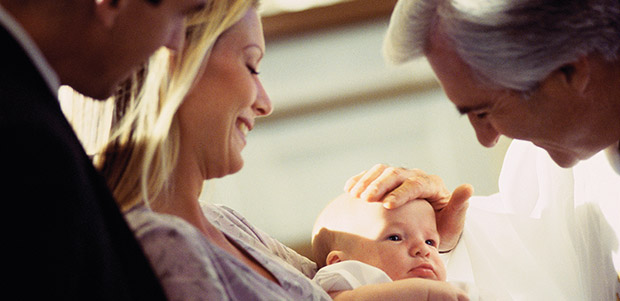
Baptism (sometimes known as ‘Christening’)
When a baby, a child, young person or adult come for baptism in the Christian Church something special happens. In fact, to be truthful, a number of things happen.
First of all there is preparation beforehand. For babies and young children the parents should have an understanding of not just what will happen at the time of the baptism but also what it is about. There are promises to be made. These promises focus on what it means to be a Christian and whether or not you actually believe the Christian faith. In the case of the young person or the adult then they would be the ones receiving the preparation.
Jesus was baptised. In his case he was an adult but we offer baptism to people of every age because no one is ever too old or too young to follow what he did. Water is essential in baptism. Normally water is poured over the head of the person being baptised. Three times this is done “in the Name of the Father, Son and Holy Spirit”, signifying the way God comes to us.
Very often a cross is marked with holy oil on the forehead of the person being baptised. This is an ancient symbol ‘marking’ us as Christ’s with a symbol of his life, death and rising from death.
A lit candle is often also given to the person being baptised. This is a simple, but effective, reminder that we are to follow the light of Christ in the life we live.
Sometimes Godparents make the vows with the parents of the person being baptised or, and especially if the person being baptised is an adult, with the person being baptised. It is good, though not essential, to have Godparents (who are sometimes called sponsors). They also need to be able to make the promises and vows of baptism with the same good conscience as everyone else.
Baptisms normally take place in churches, though they don’t have to. For young people and adults sometimes a river, or the sea, or a local swimming pool might be chosen. Whatever the case baptism marks a new starting point for the person who is being baptised and it is the task of everyone around that person to support them in the new Christian life they are to live.
Blessing of a Marriage
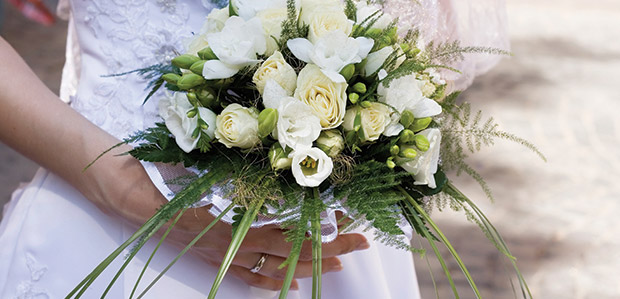
There are over 300 Scottish Episcopal Churches in Scotland to choose from if you are planning to get married.
The first thing you need to do is get in touch with the priest who is in charge of the church that you are interested in getting married in.
Once you’ve made contact, you’ll be able to have a conversation about what kind of wedding you are looking for and also about the local booking arrangements.
If you can, try not to book a wedding reception venue until you know whether the church you want to get married in is available.
People sometimes ask whether they can get married in church if they have been married before. The short answer is that a proportion of the people who get married in the Scottish Episcopal Church have been married before.
Local clergy are able to marry couples where one or both have been married before provided the bishop consents. Your local priest will be very happy to speak about this.
Weddings in the Scottish Episcopal Church tend not to be just done off the peg but are tailored to the couple who are getting married. For example, if the couple are parents, there may well be creative ways of involving the children on the big day.
The couple themselves should expect to have a significant involvement in planning the service, including choosing which prayers, readings and vows are used.
The service itself will tend to be put together by the couple using resources from the Scottish Episcopal Church’s marriage rite.
No-one can get married in Scotland without dealing with the local Registrar. On the day of the wedding a couple need to produce a Marriage Schedule from the Registrar Service which is run by the local council.
During the course of the service, the schedule is completed by the person conducting the wedding and this then needs to be returned to the Registrar’s Office within three days.
Arrange a Funeral
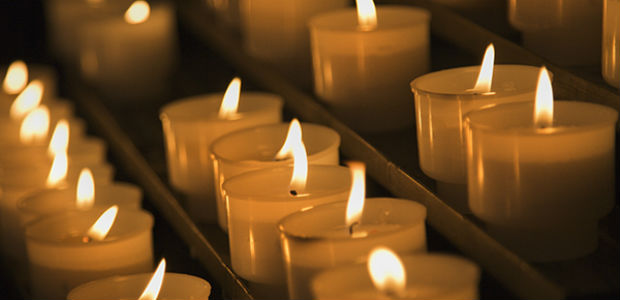
There are generally two points of contact when arranging a funeral – the undertaker (who may prefer to be thought of as a “funeral director” these days) and the priest or lay reader from the church who is going to be conducting the service itself.
A funeral should be arranged in a way that ensure that those who will be attending are not rushed or anxious.
It is important that either the person arranging the funeral (who will generally be a friend or family member of the person who has died) checks that the church and the person conducting the service are available before agreeing a time with the undertaker.
If someone was a regular worshipper in a Scottish Episcopal Church, it is entirely appropriate that their funeral service may take the form of a communion service.
Many clergy of the Scottish Episcopal Church would strongly encourage those arranging funerals to hold the main part of the funeral service in the peace and dignity of the local church building rather than a Funeral Director’s parlour or a crematorium.
Those in the church who conduct funerals, generally clergy or lay readers, will be able to offer advice on the content of the service itself using resources drawn from the Scottish Episcopal Church’s Funeral Rite.
The easiest funerals to arrange are for those who have made some preparations for their own funeral before they have died.
Local clergy are generally willing to help people to plan ahead and are sometimes used as a resource by those who would like to think about their own funeral whilst they are fit and well.