Boards & Committees
Throughout the course of the year, the work of the General Synod is carried out by its boards and committees, and by the officers who work in the General Synod Office.
General Synod Boards
The Standing Committee represents the General Synod in the day-to-day running of the church. It draws up the agenda and sets the timetable for General Synod meetings. It is also responsible for the oversight of the General Synod Office.
There are four boards: Administration; Faith & Order; Institute Council and Mission. The boards’ main role is to interpret and carry out the broad policy guidelines laid out by the General Synod. Each oversees a specific area of the Church’s work. Board conveners are elected by the General Synod while members are appointed by dioceses to represent them.
-
Standing Committee
The Standing Committee acts as the Executive Committee of the General Synod between meetings of the General Synod, implementing General Synod decisions and seeking to co-ordinate the work of the General Synod’s three boards.
Committees and groups:
-
Administration Board
The Administration Board is responsible for policy relating to the administration of provincial investments and for matters relating to clergy stipends and allowances, with four pendant committees, Investment, Retirement Housing, Buildings and Personnel.
-

Faith and Order Board
The Faith and Order Board considers questions of Church government, organisation and relations with the Anglican Communion and other churches. The Board is responsible for its five pendant committees: Liturgy, Inter-Church Relations, Interfaith Relations, Doctrine and Canons.
-
Mission Board
The Mission Board is responsible for the strategic oversight of the Church’s mission in Scotland and overseas including engagement in Scottish life and society and has four pendant committees: Church in Society, Global Partnerships, Youth and Local Mission Development.
-
Institute Council
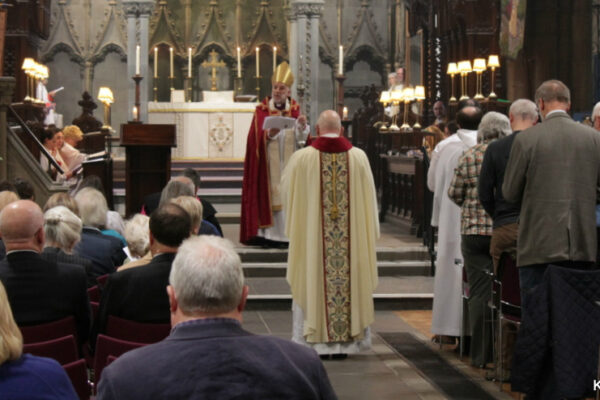
The Institute Council (also known as the Board of the Scottish Episcopal Institute) has strategic oversight of the Scottish Episcopal Institute and of the delivery of formation and training for authorised ministry in the Scottish Episcopal Church. It has a Board of Studies with responsibility for curricula.
General Synod Committees
The boards are served by committees that form working groups, focused on specific areas. Committee members are chosen for their expertise in these specific areas. They also try to keep in touch with any parallel committees operating in the dioceses.
More information about each Committee can be found on the page for the relevant board.
Standing Committee
- Safeguarding Committee
- Ethical Investment Working Group
- Provincial Environment Group
Faith & Order Board
- Inter-church Relations Committee
- Liturgy Committee
- Doctrine Committee
- Committee on Canons
- Inter-faith Committee
Mission Board
- Global Partnerships Committee
- Youth Committee
- Church in Society Committee
Administration Board
- Buildings Committee
- Personnel Committee
- Investment Committee
- Retirement Housing Committee

Code of Conduct
Members of the Standing Committee are regarded as the charity trustees of the General Synod, and it is appropriate that all members of Boards or Committees adhere to the same general principles as are applicable specifically to charity trustees. This Code of Conduct is intended to provide guidance for those serving on Boards and Committees.